Overview: A Region Submerged
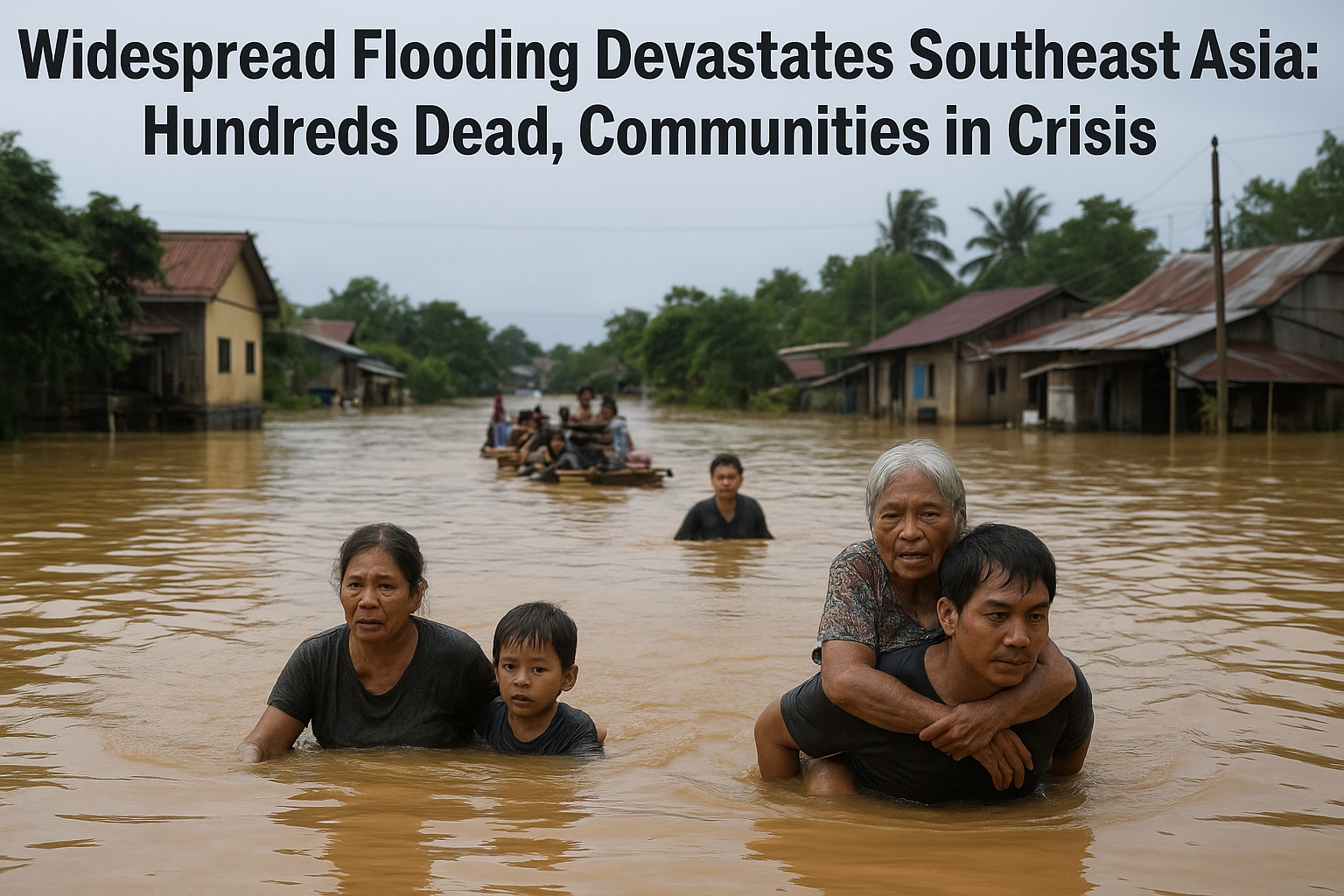
Severe flooding across Southeast Asia has left hundreds dead and caused widespread destruction, as relentless torrential rains and seasonal monsoon systems overwhelmed rivers, inundated towns, and disrupted daily life across multiple countries. Emergency services, local authorities, and international aid agencies are scrambling to respond to mounting humanitarian needs while assessing the full scale of infrastructural and economic damage.
Timeline and Areas Most Affected
When and Where the Floods Struck
Over the course of several days, intense rainfall—exacerbated in places by swollen upstream basins and poor drainage—triggered flash floods and riverine flooding in low-lying provinces and coastal zones. The hardest-hit areas include river valleys, coastal plains, and urban districts with aging drainage systems. Remote mountain communities have also reported catastrophic landslides after prolonged downpours saturated slopes.
Country-Specific Impacts
While the pattern of destruction varies by country, common threads include collapsed bridges, washed-out roads, submerged agricultural land, and overwhelmed hospitals and shelters. Urban centers reported extensive flooding in neighborhoods near rivers and estuaries, while rural communities saw entire hamlets isolated as access roads vanished beneath runoff.
Human Cost and Emergency Response
Lives Lost and People Displaced
Authorities report that the death toll has reached into the hundreds, with many more injured or missing. Tens of thousands of people have been displaced, forced into temporary shelters in community centers, schools, and makeshift camps. In many areas, basic services—electricity, potable water, and communications—are intermittent or offline, complicating both rescue efforts and the accurate accounting of victims.
Search, Rescue and Relief Operations
Local rescue teams, military units, and volunteer groups have been deployed to the most dangerous zones. Boats, helicopters, and high-clearance vehicles are being used to extract trapped residents and transport medical supplies. International partners and non-governmental organizations are mobilizing emergency relief supplies—food, water purification tablets, hygiene kits, blankets, and medical aid—but access challenges and damaged logistics nodes slow delivery to the most remote sites.
Coordination Challenges
Coordinating response is proving difficult due to damaged infrastructure and rapidly evolving conditions. Floodwaters continue to shift the landscape, rendering some previously cleared routes unusable. Relief agencies are establishing centralized logistics hubs where feasible, but localized strategies—such as community-led distribution points—have become essential where formal supply chains break down.
Infrastructure Damage and Economic Fallout
Transportation and Utilities
Major roads and rail lines have been cut in several provinces, hampering commerce and emergency access. Bridges and culverts have failed or been temporarily rendered impassable, increasing isolation for rural communities and forcing detours for critical goods. Power substations and communication towers in flood-prone zones have been affected, causing outages that hinder both relief coordination and normal life.
Agriculture, Fisheries, and Local Livelihoods
Regionally important agricultural areas have experienced severe crop losses. Standing water and silt deposits damage rice paddies and vegetable plots, and saltwater intrusion in coastal farms threatens longer-term productivity. Fisherfolk face ruined boats and fishing gear, while market disruptions limit the ability to sell surviving produce—dealing a dual shock to income and food security.
Economic Costs and Long-Term Recovery
Preliminary assessments suggest that economic losses will be substantial, encompassing infrastructure repair, lost agricultural output, and the cost of rebuilding homes and public facilities. Governments will likely need to balance immediate humanitarian expenditure with medium-term investments in resilient infrastructure—an expensive and politically sensitive trade-off for countries already managing tight budgets.
Health Risks and Social Vulnerabilities
Public Health Concerns
Flood conditions raise acute public health risks: contaminated water supplies, outbreaks of waterborne diseases such as cholera and diarrheal illnesses, and increased mosquito breeding leading to potential spikes in vector-borne diseases. Overcrowded shelters raise the risk of respiratory and communicable disease transmission, while interruptions in chronic care and immunization services endanger vulnerable populations.
Vulnerable Populations at Greatest Risk
Children, the elderly, pregnant women, and those with disabilities face heightened danger during displacement. Informal settlements and economically marginalized communities often lack robust housing and secure land tenure, meaning recovery and access to aid can be slower and more precarious. Women and girls may face additional protection risks in overcrowded or poorly organized shelters.
Environmental and Climate Context
Meteorological Drivers and Climate Change Links
While monsoon variability is a normal feature of the region’s climate, scientists note that warmer atmosphere conditions can intensify rainfall events and increase the risk of extreme precipitation. Land-use changes—such as deforestation upstream, urban expansion into floodplains, and inadequate drainage planning—have magnified vulnerability. These factors together create a scenario in which traditional coping mechanisms are increasingly overwhelmed.
Lessons on Land Management
Long-term resilience will require integrated land management: reforestation and upstream watershed protection, strengthened urban planning that limits development in high-risk zones, and investments in flood defenses and natural buffers like wetlands. Building back should prioritize nature-based solutions and adaptive infrastructure to reduce the likelihood of future catastrophic losses.
International Aid and Policy Responses
Cross-Border Assistance and Funding
Several nations, regional organizations, and international NGOs have pledged support. Emergency funding, rapid-response teams, and relief shipments are being coordinated to supplement local capacities. Diplomatic channels are active in arranging overflight permissions, transport corridors, and customs facilitation for urgent humanitarian cargo.
Policy Measures and Future Preparedness
Governments are expected to review disaster preparedness plans, early warning systems, and evacuation protocols in the aftermath. Strengthening meteorological monitoring, improving real-time data sharing, and investing in community-level preparedness programs will be crucial policy priorities to mitigate the next extreme event.
Conclusion: A Long Road to Recovery
The recent floods across Southeast Asia have produced an immediate humanitarian crisis and a complex recovery challenge. With hundreds confirmed dead, tens of thousands displaced, and critical infrastructure damaged, the region faces a prolonged period of reconstruction and healing. Short-term relief is underway, but attention must quickly shift to resilient rebuilding and systemic reforms to reduce vulnerability to future storms.
In the coming weeks, accurate damage assessments and coordinated international support will be essential. Policymakers, aid organizations, and communities will need to work in partnership to restore services, revive local economies, and implement durable measures that protect lives and livelihoods from the next inevitable deluge.